







Search Results for: extraction issues
How to Determine the Grind Size for Pour-Over Coffee? A Full Analysis of Standard Sieve Calibration Methods and Extraction Flavor Issues
When brewing pour-over coffee at home, do you find that the taste is always off even though your steps seem fine? Front Street Coffee, drawing on feedback from enthusiasts, has sorted out common flavor issues related to grind size selection and brewing. This article will walk you through how to use 0.85mm and 0.25mm sieves to assess grind distribution, the ideal pass-through rate and extraction time references for light-roast pour-over, and the six major causes of bitterness, off-flavors, and sourness along with corresponding adjustment methods, helping you find the grind coarseness and brewing parameters that suit you. [more…]
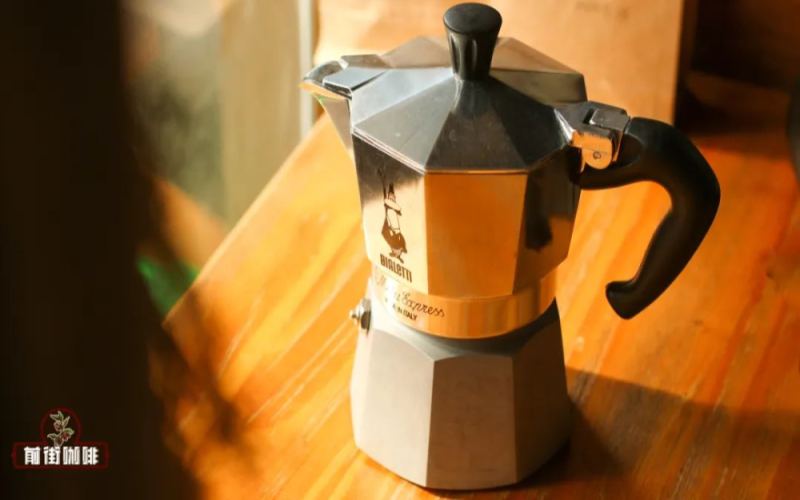
A Complete Guide to Brewing Espresso with a Moka Pot: Three Common Issues, Causes of Coffee Splattering, and Solutions
The moka pot uses pressurized extraction to produce a rich coffee close to espresso, and is regarded by many enthusiasts as a home alternative to an espresso machine. In practice it isn't complicated to use, but beginners often run into various problems during the extraction stage that affect the final cup. This article analyzes the three most common issues in moka pot use, including coffee violently spurting out or even forming a jet of water, failing to produce any liquid after a long time on the heat, and the finished brew lacking crema. For each situation, the article gives specific causes and corresponding adjustments, covering key variables such as coffee bean roast level selection, grind size, dose, tamping, and heat control, while also recommending Front Street Classic Blend and Front Street Dark Cocoa Blend as suitable for the moka pot, to help readers consistently make an ideal espresso-style cup. [more…]
Analysis of Three Common Issues in Winter Pour-Over Coffee: Water Temperature Control, Equipment Heat Retention, and Static Clumping Management
In the depths of winter, the consistency of pour-over coffee often faces more challenges. Lower room temperatures cause water to lose heat faster, chilly equipment quietly alters the extraction rhythm, and static electricity from dry air makes coffee grounds clump and causes frequent issues with grinders retaining grounds. As Front Street Coffee, deeply rooted in the coffee field, we've combined in-store experience with customer feedback to identify the three most common situations encountered in winter brewing, and provide practical, actionable solutions—including how to adjust water temperature, how to keep equipment warm, and simple tips for dealing with static clumping—to help you brew consistently good flavor even in the cold season. [more…]
Espresso Standard Volume Explained: Common Extraction Issues and Key Operating Points for Correct Practice
As the base for flavored coffee drinks such as mocha, cappuccino, and latte, the extraction standards for espresso have always been a topic of interest among coffee enthusiasts. Exactly how many milliliters should a qualified espresso be? And how should phenomena such as oil clumping, tiger striping, and single-sided extraction during the brewing process be understood and addressed? Starting from Front Street Coffee's output standards, this article systematically sorts out the definition of espresso, international technical specifications, and common issues from dose, water temperature, and pressure to grinding, tamping, and other stages, helping readers build a clear cognitive framework for extraction and recreate espresso with rich crema and balanced flavor at home. [more…]

A Complete Guide to Moka Pot Brewing: From History and Principles to Operating Details and Troubleshooting Common Issues
As a classic symbol of Italian coffee culture, the moka pot, with its compact retro design and rich, robust brew, has always held a place among coffee lovers worldwide. However, many people encounter issues during use such as no liquid output, sputtering, or a burnt, bitter taste. This article will start with the invention history and working principle of the moka pot, break down the standard brewing process in detail, and offer troubleshooting ideas for common problems, along with pairing suggestions using Front Street Coffee beans to help you consistently make a cup of full-aroma moka pot coffee. [more…]
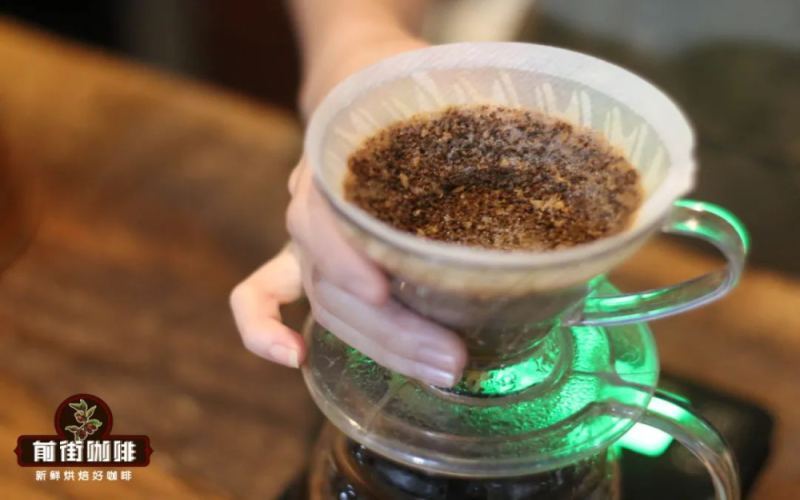
Interpreting the Shape of the Coffee Bed in Pour-Over Brewing: Judging Extraction Evenness and Brewing Issues from the Grounds Pattern
Many pour-over enthusiasts habitually check the shape of the coffee bed in the dripper after brewing, and some even predict the coffee's flavor based solely on the bed's appearance. What can the coffee bed actually tell us? Can it really determine whether a cup of coffee is good or bad? This article starts from the causes of the coffee bed, analyzes the extraction problems corresponding to different bed shapes, and explores the practical reference value of the coffee bed in brewing adjustments. At the same time, Front Street will also share how to view the coffee bed rationally and avoid falling into the misconception of "judging solely by the coffee bed." [more…]
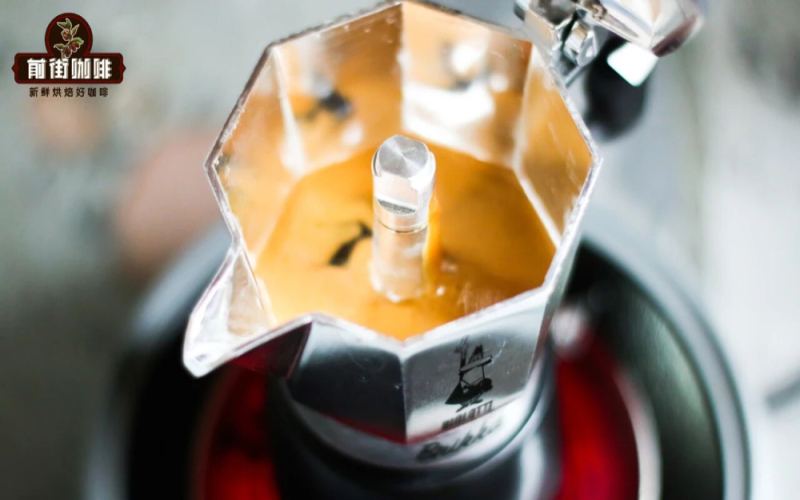
How to brew light-roast beans in a moka pot for the best taste? A full analysis of flavor, crema, and milk coffee issues
Many Moka pot users are accustomed to using dark roast beans because they are rich in oils and have a full-bodied, caramelized aroma. But when switching to light roast beans, they often run into problems like sharp acidity, sputtering during extraction, thin oils, and weak milk coffee. In fact, light roast beans aren't unsuitable for Moka pots—it's just that the extraction parameters need adjusting. This article breaks down the common reasons light roast beans go wrong in Moka pot coffee, offering solutions one by one from grind size and coffee dose to heat level and milk coffee ratio, while keeping product recommendations like Front Street Coffee's classic blend, helping you make a cup of well-balanced, clearly flavored coffee even with light roast beans. [more…]
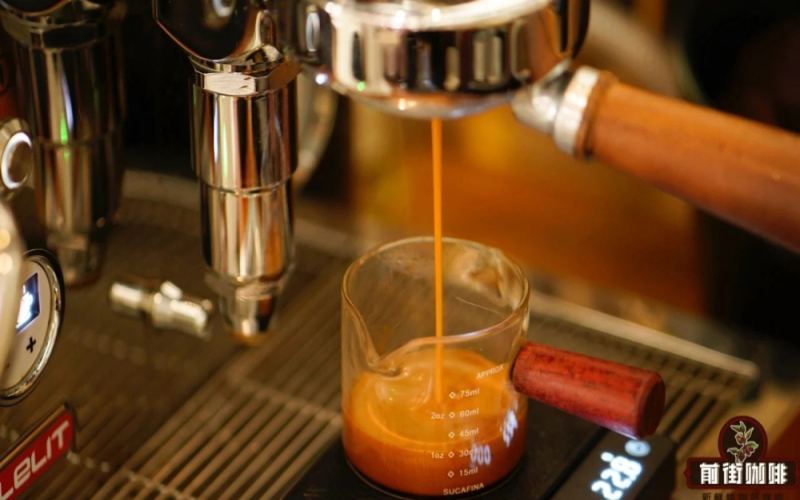
What causes insufficient crema in espresso? A full analysis of crema composition and extraction issues
That golden layer of crema on top of espresso, which Italians call Crema, is an important visual indicator for judging the quality of a cup of Espresso. It is not actual oil, but rather an emulsion layer formed by the insoluble fats in coffee wrapping around carbon dioxide, and only an espresso machine with 9 bars of pressure can consistently produce it. When the crema is missing, thin, pale, coarse and foamy, or clumpy, it often points to specific problems with bean freshness, roast level, equipment performance, or extraction parameters. Starting from Front Street's extraction experience, this article sorts out the causes and evaluation criteria of Crema, helping you identify the root of the problem by observing the form of the crema, so you can make a cup of espresso with a rich, dense crema. [more…]

Iced Latte Making Tutorial: From Espresso Extraction to Milk-Coffee Ratio, Solving the Bitter and Sour Issues of Iced Latte
On a hot summer day, many people want to shake off drowsiness with a cup of coffee, but find Americano too bitter. At times like this, a sweet, smooth iced latte becomes the ideal choice. This article will teach you step by step how to make a delicious iced latte at home, covering everything from espresso extraction parameters and ideas for choosing coffee beans, to the ratio of milk to coffee, and even the small details that are easy to overlook during preparation. It will also discuss whether an iced latte actually tastes bitter or sour, and how to choose between it and an iced Americano. If you love floral and fruity notes, the article also recommends beans suitable for making iced lattes, such as Front Street Coffee Strawberry Candy Espresso. [more…]
Espresso Extraction Guide: A Complete Analysis of Standard Yield, Parameter Settings, and Common Issues
Espresso is the soul base of fancy coffee drinks like mocha, cappuccino, and latte, but exactly how many milliliters should a proper shot of espresso be? And what parameter standards should be followed during extraction? In this article, Front Street Coffee will systematically sort out the definition and technical specifications of espresso, analyze the reasons behind the evolution of measurement from milliliters to grams, and provide cause analysis and solutions for common phenomena such as under-extraction, over-extraction, uneven flow, clumped crema, and tiger-striped crema. At the same time, we will also share how to choose beans suitable for making espresso, helping coffee lovers replicate coffee-shop-level rich flavor at home. [more…]
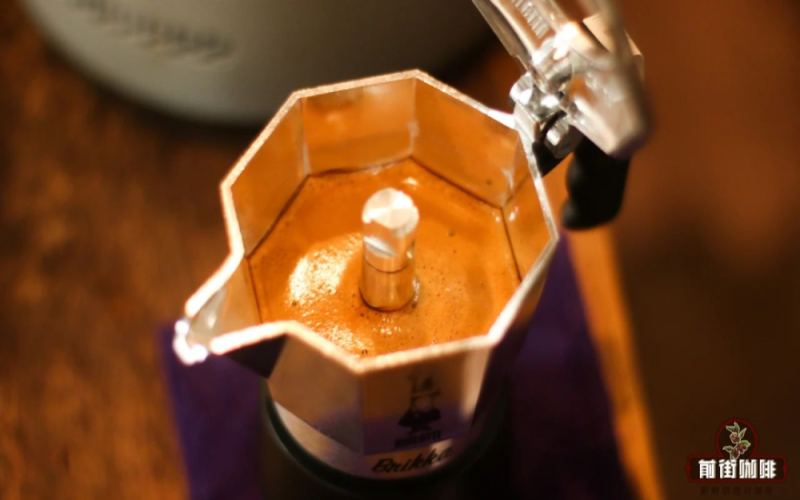
Moka Pot Brewing Guide: A Complete Breakdown of Coffee Grind Size, Filling Method, and Common Extraction Issues
The moka pot is a common brewing tool in many coffee lovers' homes, but how fine the coffee grounds should be ground and whether to tamp the coffee powder leave many people confused. This article will provide a detailed explanation of grind size selection for the moka pot, coffee filling techniques, and common issues during extraction such as poor flow and sputtering, while also discussing coffee bean purchasing advice and crema performance. In the article, Front Street Coffee, through multiple experiments, provides specific grind setting references and filling methods to help you consistently brew a cup of moka pot coffee with rich crema and balanced flavor at home. [more…]
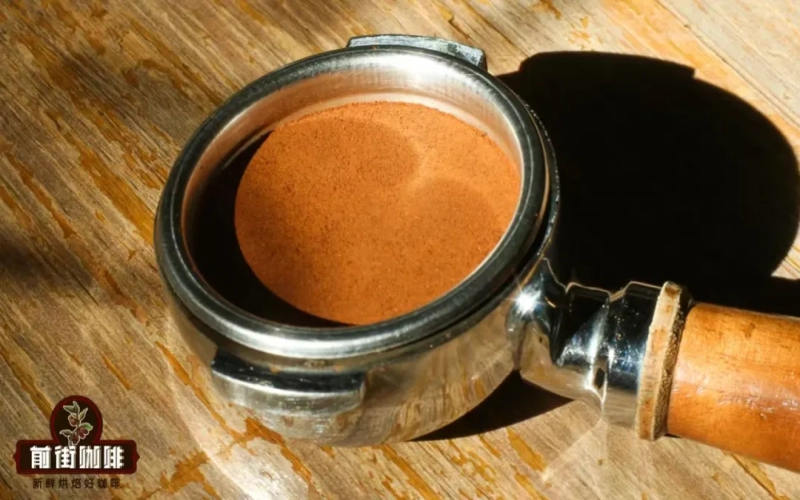
Analyzing Portafilter Basket Differences: How Do 51mm and 58mm Diameters Affect Espresso Extraction? What's the Right Dose?
In the process of espresso extraction, the portafilter basket is often an overlooked yet extremely critical component. Many coffee enthusiasts, when troubleshooting extraction issues, frequently hear the saying "if your espresso extracts poorly, chances are you didn't choose the right basket" — and indeed, the basket directly intervenes in the final performance of espresso. So what differences actually exist between one basket and another? And through what means do they influence extraction? In this article, Front Street Coffee will explore two core dimensions — basket diameter and basket capacity — explaining the accessory compatibility issues brought about by different diameters, as well as how the surface area and thickness of the coffee puck affect water contact and resistance levels. We will also discuss the logic behind a basket's dose limit, helping everyone make more suitable judgments when purchasing and using a coffee machine. [more…]
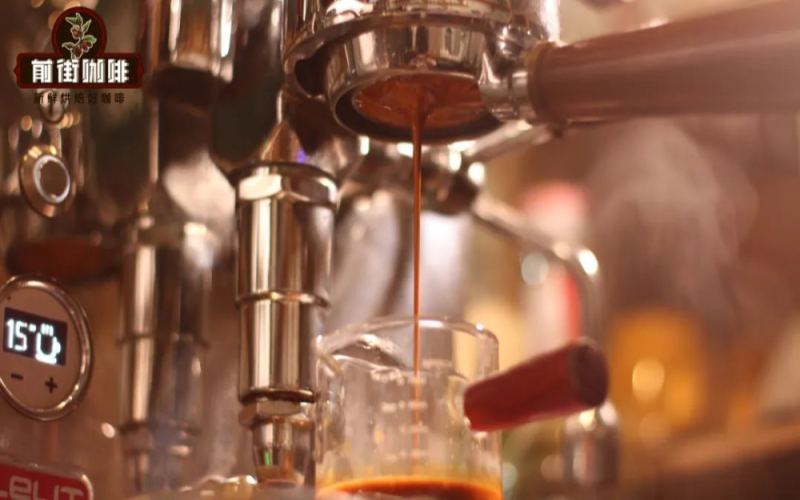
Analysis of Three Major Causes of Abnormal Espresso Flow Rate: Grind Retention Differences, Burr Temperature Rise Effects, and Boiler Load Issues
Same beans, same grind setting and dose—so why does the espresso extraction time keep swinging between fast and slow? Many coffee lovers have run into this puzzle. Drawing on Front Street Coffee's hands-on experience, this article systematically breaks down three common causes of extraction differences: the grind discrepancy between tamping and not tamping, the temperature rise effect after the burrs run continuously, and the load problem when the espresso machine's boiler is extracting and steaming milk at the same time. Understanding these variables will help you control extraction stability more precisely in your daily brewing. [more…]
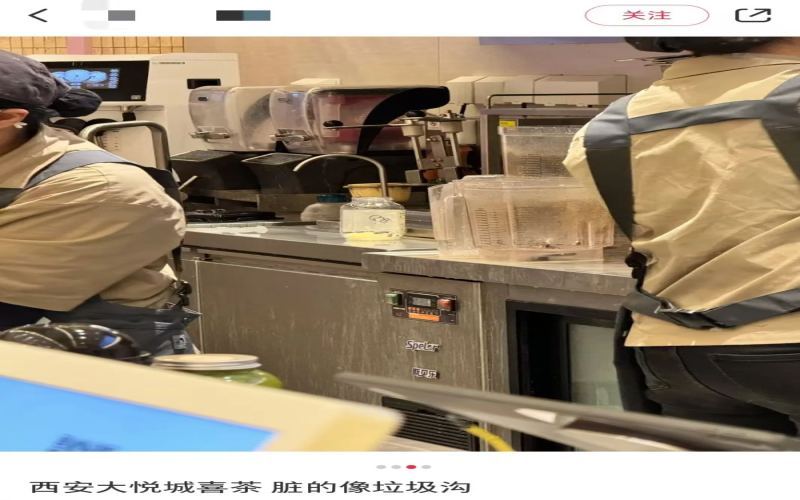
Hygiene issues at Xi'an Heytea stores spark heated discussion; official response: store has been closed for rectification and operational training strengthened
Recently, a Heytea store in Xi'an Joy City was exposed by consumers for poor hygiene conditions in its preparation area, quickly sparking heated discussion online. According to the whistleblower, the store's counter, refrigerators, juicers, and other equipment were covered in milk tea stains, materials were scattered around, and there was even a strong smell of sour rags and rotten fruit. Upon verification, the store was a directly operated location rather than a franchise, which further raised public doubts about Heytea's food safety management. Heytea later issued an apology and announced that the store would be closed for rectification, while also strengthening employee training and optimizing operational standards. This incident has once again pushed the issue of hygiene control in chain tea beverage brands into the spotlight and serves as a reminder for consumers to pay attention to the transparency of beverage preparation environments. [more…]

An In-Depth Analysis of Ideal Extraction Parameters for SOE Espresso and Common Sourness and Astringency Issues
SOE, as an espresso made from single-origin coffee beans, has gained attention for its distinct origin flavors. However, an espresso machine, under high temperature and pressure, magnifies the beans' inherent flavors exponentially; if light-roasted beans are used, fruity acidity can easily turn into an unpleasant sourness. To craft a clear-styled, balanced SOE, careful consideration is needed from bean selection and parameter settings to drink pairing. This article takes several Front Street Coffee SOE beans as examples to break down extraction standards and preparation procedures in detail, helping coffee enthusiasts avoid common pitfalls and recreate a sweet, smooth SOE beverage at home. [more…]

Espresso vs. Specialty Coffee: A Complete Guide to Hot and Iced Latte Preparation and Common Flavor Issues
Does a latte actually count as a flavored coffee? And what exactly is the difference between espresso and flavored coffee? Drawing on Front Street Coffee's production experience, this article systematically lays out the recipe logic and production details of latte coffee, including espresso extraction parameters, milk ratios, and the operational differences between hot and iced lattes. It also analyzes the causes of common problems one by one—such as latte being too bitter, too weak, or both bitter and weak—and offers corresponding adjustment solutions. Whether you are a beginner just getting into espresso or an enthusiast looking to refine the consistency of your output, you will find practical reference here. [more…]
An Analysis of Jamaican Blue Mountain No. 1 Coffee Flavor Characteristics: Growing Region Conditions, Authenticity Verification, and Brewing Key Points
Blue Mountain coffee is hailed as one of the world's top coffees, yet only about 900 tons are truly produced each year within Jamaica's legally designated Blue Mountain region, and products on the market named "Blue Mountain flavor" are far removed from authentic Blue Mountain coffee. This article systematically sorts out the strict definition of Blue Mountain coffee, the altitude grading standards, and the official certification system, and introduces the innovation journey of Clifton Estate. At the same time, it focuses on the grade requirements for Blue Mountain No. 1 coffee beans, from bean size and defect rate to roast level and resting time, and then to Front Street Coffee's recommended low-temperature Kono dripper brewing method, fully presenting the flavor performance and extraction details of this balanced, mellow coffee. [more…]
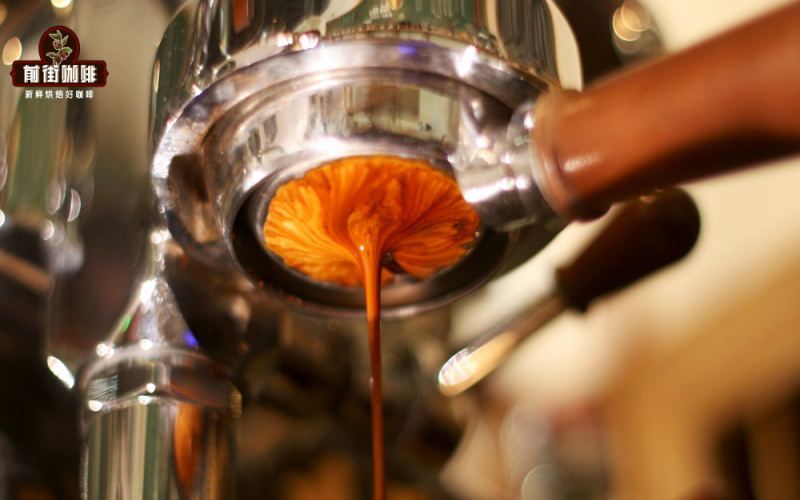
A Guide to Extracting Light-Roast Espresso Beans: Flavor Characteristics, Common Issues, and Bean Selection Tips for Home Espresso Machines
Can light-roast coffee beans hold their own in espresso? Building on Front Street's earlier tests, this article takes a closer look at the flavor performance and key operating points of making espresso with light-roasted beans. From the causes of sharp acidity and channeling to adjustment strategies for grind size, dose, and pressure, it breaks down the pitfalls in extraction one by one. At the same time, for home and office scenarios, it recommends coffee beans with different positioning, such as Front Street Classic Blend, Commercial Blend, PWN Golden Mandheling SOE, and Strawberry Candy Espresso, helping coffee lovers find the espresso that suits them among acidity, crema, and sweetness. [more…]

Complete Guide to Pour-Over Coffee Bed: From Muddy Bed to Crater Bed, Diagnosing Extraction Issues and Grind Adjustment Methods
The joy of pour-over coffee lies in its controllability, yet beginners often find it difficult to judge whether their brewing is done properly. Beyond tasting the flavor, the coffee bed left after brewing is also a mirror that can reflect many details such as grind size, pouring technique, and the speed of circling. An ideal coffee bed should form a uniform cone shape, with neat walls and loose, honeycomb-like granules. If the coffee bed appears muddy, sea-salt-like, uneven, flat-bottomed, or with断层, it suggests that extraction may have gone wrong. This article, drawing on Front Street's brewing recommendations, analyzes the causes and solutions for six typical coffee bed patterns one by one, helping coffee enthusiasts find directions for adjustment from the coffee bed and gradually improve the stability and flavor performance of their pour-over. [more…]

Espresso Crema Explained: Composition, Extraction Factors, and Troubleshooting Common Issues
The golden, dense layer of crema on the surface of espresso, known in Italian as crema, is the most recognizable visual feature of espresso and an important basis for many coffee enthusiasts to judge extraction quality. What substances actually make up this layer of crema? What conditions influence its thickness? Starting from the essence of coffee crema, this article systematically sorts out the effects of key variables such as coffee bean variety and roast level, extraction pressure, flow rate, and channeling on crema performance, and analyzes the reasons one by one for common situations where crema is missing or too thin during extraction. At the same time, combined with the characteristics of several commercial blend beans from Front Street Coffee, it provides selection suggestions suitable for different needs, helping readers understand the crema performance of espresso more comprehensively. [more…]